Starting a Community Allotment in Fenland: A Beginner's Guide
How to find land, raise money and organise a community allotment in Fenland, from the first meeting to the...


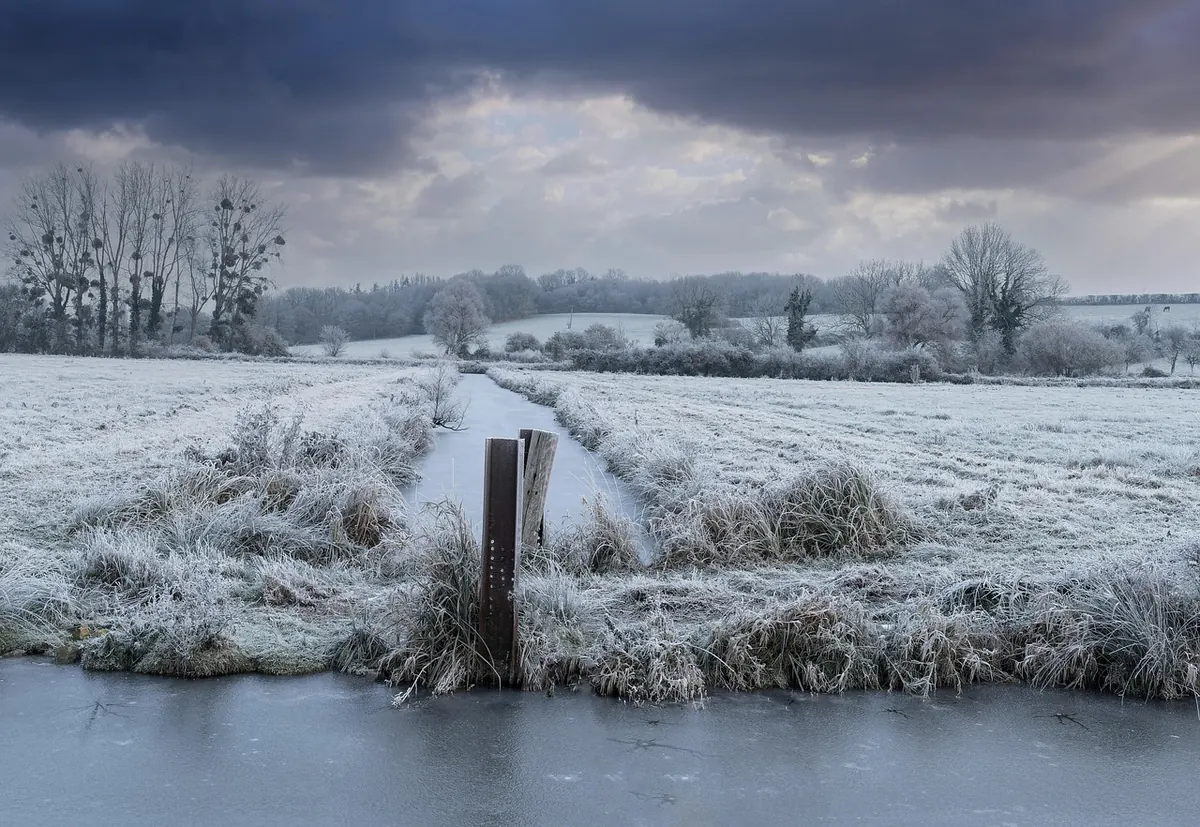
Water has shaped the Fens for longer than anyone has been writing about them. The dykes, the droves, the washes and the pumping stations are all part of a system built to move water off land that sits, in places, barely above sea level. Most winters it works. Rain falls, the drains fill, the pumps run, and life carries on.
The winters it doesn't work are the ones people remember. A wet December that leaves the ditches full. A tide pushed up the Wash on a north-westerly wind. Ground already saturated in November, so the next downpour has nowhere to go. None of that can be fixed from a kitchen table in March or Wisbech. Being caught unprepared can be.
What follows is a checklist, not a scare story. Most of it costs very little and takes a Saturday.
Before buying anything, find out whether water is likely to reach you, and from which direction. River flooding, surface water flooding and tidal flooding behave differently and arrive with different warning times.
Check the Environment Agency's flood risk service for your postcode and look at both the river and surface water layers. Then do what no website can do for you: walk the boundary of your property in the rain and watch where the water actually goes. Ask your Internal Drainage Board who maintains the drain at the end of the garden, and check whether a watercourse on your boundary is yours to look after as a riparian owner. If you are unsure of your legal position, put the question to the board or your council rather than assuming.
Sign up for free flood warnings by phone, text or email. Learn the three levels. A flood alert means prepare. A flood warning means act. A severe flood warning means there is a danger to life. If you rent, raise your concerns with your landlord in writing and keep a copy.
Water takes the easiest route. Your job is to make sure that route is not through your hallway.
Most flood kits fail for the same reason: they were packed once, in a hurry, and never looked at again. Build one that fits in a single lidded box and keep it somewhere you can reach without wading.
Torch and spare batteries, a wind-up or battery radio, waterproof clothing and wellingtons, work gloves, a first aid kit, prescription medicines, bottled water, snacks, pet food, a power bank, some cash. Add a sealed plastic folder with insurance details, policy numbers, bank and mortgage information and copies of important documents.
Then photograph every room and every valuable item, including the shed and garage, and store the images somewhere other than the house. Write the household plan down: where you will go if you leave, who collects whom, what happens to the dog, the cat, the hens, and who checks on the neighbour living alone. Agree it out loud and keep a paper copy in the kit. Phones run out of battery; paper does not.
While you are at it, read your buildings and contents policy. Check what flood cover you have and whether your insurer takes part in the arrangement that keeps flood cover available in high-risk areas. Insurance is a regulated product and policies vary a great deal, so if your circumstances are complicated, ask your insurer or a broker directly rather than relying on a neighbour's experience.
Water rarely comes in through the front door alone. It comes up through the floor, back up the toilet, and through the air bricks that keep your joists dry.
The measures that help most are unglamorous: non-return valves on waste pipes to stop sewage backing up, covers for air bricks, seals around doors, a toilet bung for when the mains drain is surging. Door barriers and water-filled tubes can hold back shallow water for a short time, but be realistic about them. They buy hours, not days, and they are no defence against deep or fast-flowing water.
Inside, lift what you can. Raise white goods on plinths, move stored items into plastic crates, and take sentimental things upstairs early rather than at the last minute. If you are thinking about electrical changes, such as raising sockets or rerouting cables, use a qualified electrician. And if you do end up in floodwater, remember it can carry sewage and sharp debris: wash thoroughly, cover cuts, and seek medical advice if a wound becomes dirty or you start to feel unwell.
Work through it in that order and you will have covered the things that matter most before the first serious rain arrives.
Fenland has never been a place that ignores water. The people who drained this landscape, dug these drains and built these banks understood something simple: you do not beat water, you manage it.
The same attitude works on a much smaller scale. A few hours in October — clearing a gully, fitting a valve, printing a list of phone numbers — will not stop the rain. It will decide whether a wet week is an inconvenience or a disaster. Start with one job this weekend. Then do the next one.
Photo: Karen F / Pexels
How to find land, raise money and organise a community allotment in Fenland, from the first meeting to the...
A month-by-month guide to Fenland farmers' markets, from spring rhubarb and asparagus to autumn potato...
A practical Fenland guide to spotting invasive plants and animals in local drains and rivers, recording...