Starting a Community Allotment in Fenland: A Beginner's Guide
How to find land, raise money and organise a community allotment in Fenland, from the first meeting to the...

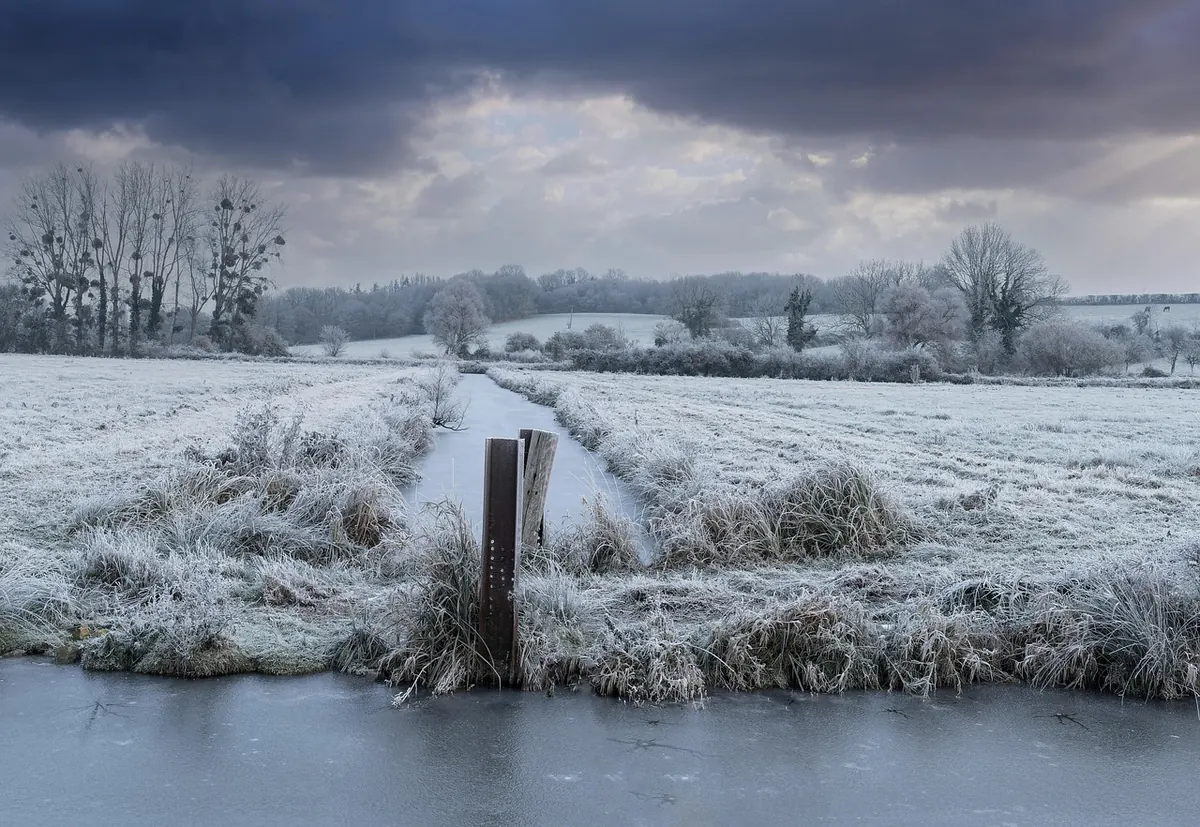
Walk the bank of almost any Fenland drain in high summer and you will meet something that should not be there. A raft of round green leaves jammed against a sluice. A stand of pink flowers taller than a person. A crayfish in the landing net that is far too big, with red patches under the claws. Fenland's waterways, from the Great Ouse and the Nene to the Old and New Bedford rivers and the grid of straight drains between them, are flood defences, irrigation channels and wildlife corridors all at once. They are also remarkably easy for a non-native plant or animal to travel through.
You do not need a biology degree to help. You need a phone, a rough idea of where you are standing, and enough patience to take a photograph that somebody else can actually use.
Most Fenland water is contained, embanked and slow-moving, which suits invasive species down to the ground. A floating mat of pennywort or water fern can seriously reduce the amount of water a drain will carry, and a drain that carries less water is a drain that floods sooner. The same mats shade out native plants, lower oxygen levels for fish, and make life harder for the water voles, dragonflies and wading birds the Fens are known for.
Clearing an established infestation is slow, costly and often has to be repeated the following season. Catching something early, when it is one patch beside one bridge, is a completely different job. That is the argument for reporting: five minutes of your time can save somebody else five years of work. The Ouse Washes, the Nene Washes, Wicken Fen and the reserves around them are exactly the places where a new arrival does the most damage.
A record without a location is close to useless. Before you leave the spot, note down:
If giant hogweed is growing beside a footpath, a play area or a fishing peg, say so when you report it. Invasive plants are not a matter for the emergency services, but a health risk beside a public route deserves a prompt call.
Good intentions spread problems. Seeds travel on boot treads, mud, tyre treads, nets, waders and boat hulls, and a single fragment of knotweed or pennywort can start a new colony downstream. Anglers, paddlers and birdwatchers should follow the Check, Clean, Dry routine: check kit and clothing for plant fragments and mud, clean everything thoroughly, and dry it properly before moving to another water body.
Pick the stretch you walk or fish most often and learn it properly. Once you know what belongs there, the odd one out stands out immediately. Photograph it, pin the location, and send the record in. Then do it again next month, because repeat sightings at the same spot tell the people managing that drain whether a problem is spreading or has been dealt with.
Fenland's waterways are managed by a patchwork of boards, trusts, councils and landowners, and none of them can be everywhere. Thousands of pairs of eyes along the banks, bridges and towpaths are the best early warning system the Fens have. Use yours.
Photo: apnear40 / Pixabay
How to find land, raise money and organise a community allotment in Fenland, from the first meeting to the...
A month-by-month guide to Fenland farmers' markets, from spring rhubarb and asparagus to autumn potato...
A practical beginner's guide to stargazing in the Fens, with dark sky spots, kit advice and what to look...