Starting a Community Allotment in Fenland: A Beginner's Guide
How to find land, raise money and organise a community allotment in Fenland, from the first meeting to the...

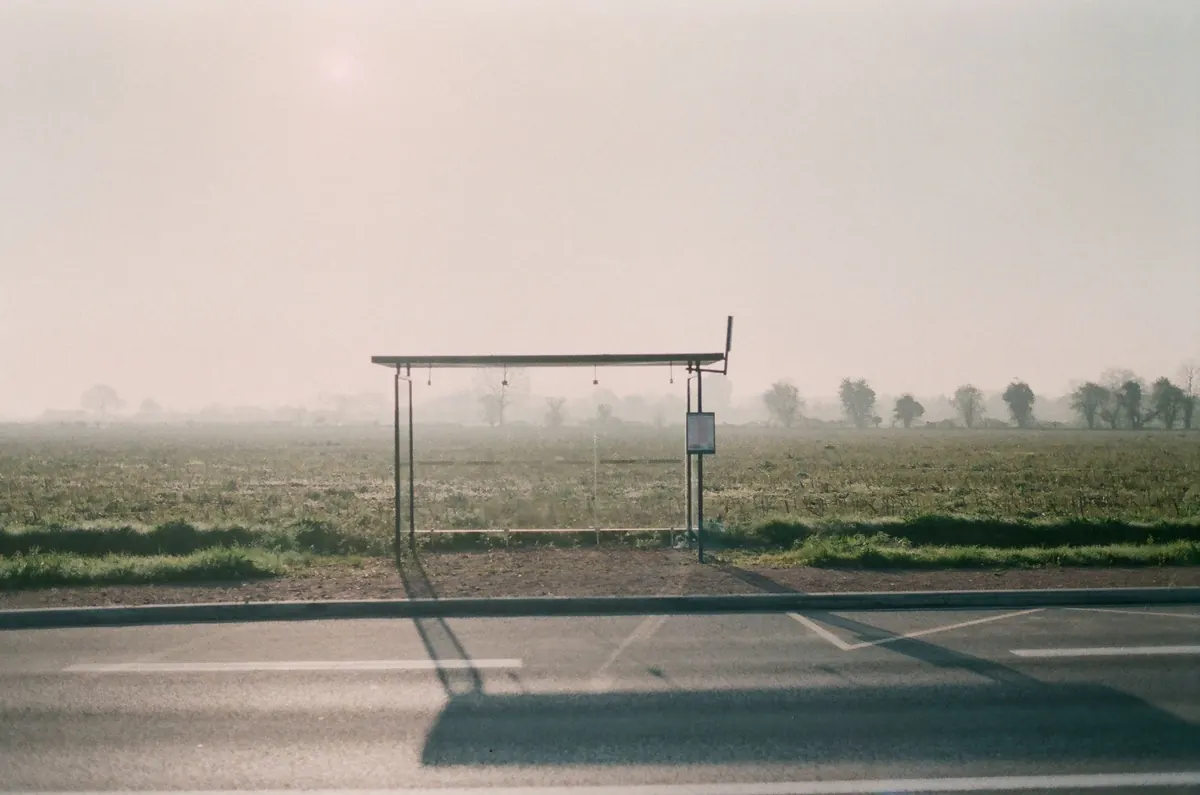
Nothing rearranges a week quite like a missing bus. A first journey that moves twenty minutes later turns a shift into a favour from a neighbour. A Sunday service that stops running turns a hospital visit into a taxi, or into no visit at all.
Across Fenland, several services have been reduced, retimed or withdrawn over recent months. Few of those changes made headlines. All of them changed somebody's day. What follows is a plain account of what tends to change, why it happens, and how to respond while a decision can still be shifted.
Bus changes rarely arrive as one dramatic announcement. They arrive as a new timetable taped inside a shelter, and a note on a website that says "from the end of the month".
The patterns seen around Wisbech, March, Chatteris, Whittlesey and the villages between them are familiar:
It helps to know which kind of change you are dealing with. A commercial service is run by an operator who sets the timetable and keeps the fares. A supported service is paid for, wholly or partly, by the council or the combined authority on residents' behalf. Cuts to the first are a business decision; cuts to the second are usually a funding decision. That distinction matters, because you will be arguing to a different audience in each case.
Three pressures do most of the damage.
Money. A rural route covers a lot of miles to carry a modest number of passengers. Where fares do not cover the driver, the fuel and the upkeep, goodwill only stretches so far.
Staffing. Depots across the east of England have struggled to recruit and keep drivers. A shortage is often managed by thinning out the least-used journeys rather than cancelling a whole route outright.
Short-term funding. Buses in some places have been kept running by grant pots that last a fixed period. When that money ends, routes that depended on it become provisional again, and timetables can change at short notice.
None of this is sinister. It is arithmetic. But arithmetic has consequences: a job that becomes unreachable, a course that gets dropped, an appointment that gets missed.
There is no single page that tells you everything, but an hour of checking gets you most of the way.
Two very different things get called a consultation, and it is worth knowing which one you are in.
The first is the registration process. When an operator varies or cancels a commercial route, the change is registered with the traffic commissioner and takes effect after a set notice period. There is no public vote at the end of it. Councils can sometimes fund a replacement, but the decision is largely the operator's.
The second is a genuine council consultation. These appear when a supported service is under review, when the wider network is being looked at, or when the council is working out how to spend a limited pot of bus funding. These are the ones where responses change outcomes — not always, but often enough to be worth an evening.
A few things make a response count:
Photo: Olga Lioncat / Pexels
How to find land, raise money and organise a community allotment in Fenland, from the first meeting to the...
A month-by-month guide to Fenland farmers' markets, from spring rhubarb and asparagus to autumn potato...
A practical Fenland guide to spotting invasive plants and animals in local drains and rivers, recording...