Starting a Community Allotment in Fenland: A Beginner's Guide
How to find land, raise money and organise a community allotment in Fenland, from the first meeting to the...

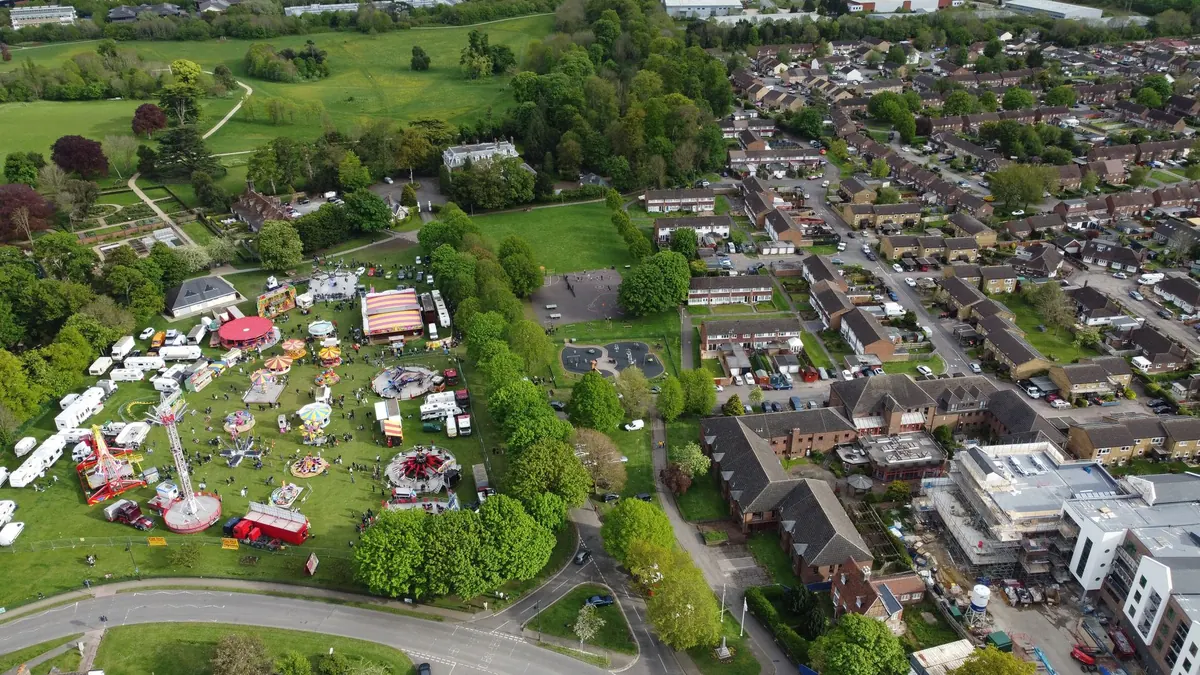
A village fete looks effortless from behind a slice of Victoria sponge. What you don't see from the tea tent is the six months of emails, the risk assessment with a coffee ring on it, and the neighbour's trailer of folding tables arriving at half past six in the morning. Fenland villages have been running these events for generations, and the recipe hasn't changed much: a field, a marquee, a tombola and enough willing hands to make it look easy. Here is the order things are usually done in, from the first committee meeting to the last bin bag. Start early — four to six months is comfortable, eight weeks is a scramble.
You do not need a committee of twenty. You need a chair, a treasurer, someone good at chasing people, and someone who doesn't mind filling in forms. Five is plenty to begin with; you can co-opt stallholders later. Keep a written note of the first meeting and its decisions, because emails get lost and whoever inherits the fete next year will thank you.
Choosing the date is where first-timers usually trip. Check what else is on. The villages around March, Chatteris, Wisbech and Whittlesey all hold summer events, and the same few hundred people go to all of them. Avoid the weekend of the nearest big show, the school summer fair and anything the church has had pencilled in since Christmas. Ask the pub, check the parish magazine calendar, then commit and stop moving it.
The recreation ground, the field behind the village hall or a kindly farmer's paddock all work. What matters is parking (and what happens if it rains), a level area for the marquee, access for a van, and either a power supply or space for a generator.
Then work through the paperwork. Rules vary and change, so ask rather than guess:
Public liability insurance is not optional. It often comes through the parish council, the village hall charity or a broker, but do not assume somebody else's policy covers you. Ask, in writing, and keep the certificate with the paperwork.
Next, a written risk assessment. A sheet of A4 will do: what could go wrong, who is responsible, what you are doing about it. Add first aid cover, a lost-child procedure announced over the PA, fire extinguishers near the tea tent and barbecue, and one named person who can make the call if the weather turns.
Use a qualified electrician or a generator with RCD protection — never a daisy-chain of extension leads across a wet field. If anyone is driving pegs or stakes into the ground for a marquee, bouncy castle or goalposts, check for buried services first; water, gas and cables run under fields that look entirely empty. Anyone working with children needs the appropriate safeguarding checks, so ask your parish council what they require.
Agree a weather deadline in advance. One person decides at 7am, one message goes out, and nobody spends the morning ringing round.
The stalls that always work: tombola, cake, plants, bric-a-brac, books, bottles, a produce and flower show, cream teas, a barbecue, a licensed bar if you have the licence, an ice cream van, a coconut shy, hook-a-duck, welly wanging, a dog show, children's races and a raffle drawn mid-afternoon.
Build the rota in shifts of 45 minutes to an hour, two people per stall — one taking money, one talking — plus a runner who fetches change, ice and the missing key. Nobody should be pinned to a stall all afternoon. Agree prices in advance and put them on a board so nobody has to guess. Give each stall a float of small notes and coins, keep cash tins out of sight and empty them regularly, and count the takings in twos with a third person watching. If you would rather avoid handling change at every table, sell tokens at the gate; you will still want a card reader for those.
If the fete raises money for a registered charity, follow that charity's rules on handling and recording donations, and take advice from its treasurer or an accountant rather than working it out on the night.
Photo: Altaf Shah / Pexels
How to find land, raise money and organise a community allotment in Fenland, from the first meeting to the...
A month-by-month guide to Fenland farmers' markets, from spring rhubarb and asparagus to autumn potato...
A practical Fenland guide to spotting invasive plants and animals in local drains and rivers, recording...